
How Much Radiation Is in a Dental X-Ray?
“How much radiation am I exposed to during a dental X-ray?” It is a common question, and understandably so.
The good news is that dental X-rays generally use very low levels of radiation. When recommended for a clinical reason, they help dentists identify problems that may not be visible during a regular examination.
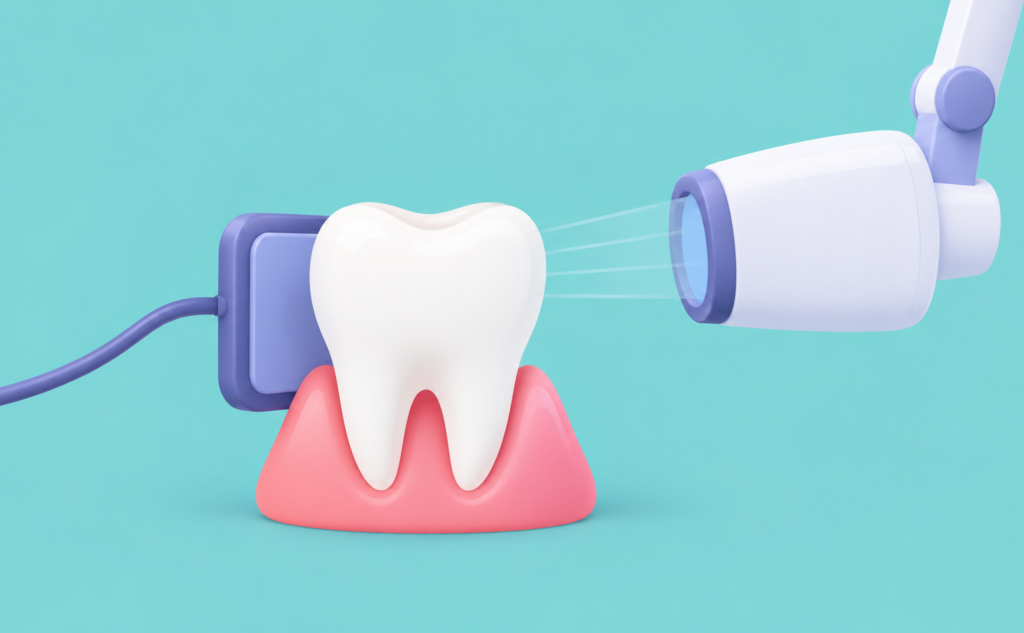
How much radiation is in a dental X-ray?
A typical dental bitewing X-ray may expose a patient to approximately 5–10 microsieverts (µSv) of radiation, depending on the equipment and technique used.
To put this into perspective, we are continuously exposed to natural background radiation from the environment from the ground, rocks, air, food and even cosmic radiation from space.
On average, a person receives around 8–10 µSv of natural background radiation every day, although this varies depending on where you live.
So, a single dental X-ray can be roughly comparable to a day or so of the natural radiation we receive from our environment.
Why Does My Dentist Need an X-Ray?
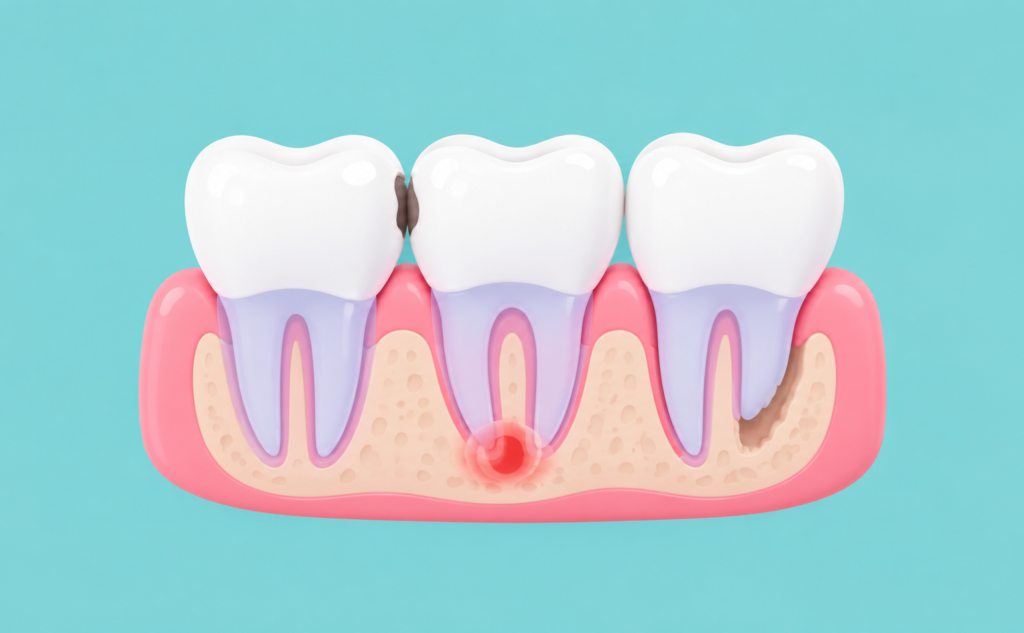
Although your dentist can see a lot during a clinical examination, some dental problems are hidden from view. X-rays can provide information that may not be visible during a routine examination.
Dental X-rays can help detect:
- Tooth decay: Cavities between teeth or beneath existing restorations.
- Dental infections: Changes around tooth roots that may indicate an infection or abscess.
- Gum disease: Bone loss associated with periodontal disease.
- Root problems: Changes affecting tooth roots and surrounding structures.
- Impacted wisdom teeth: The position of teeth that have not erupted normally.
- Hidden dental changes: Problems beneath fillings, crowns or other restorations.
Identifying these issues early can help your dentist plan appropriate treatment before certain problems become more complicated.
If you want to understand the wider role of X-rays in diagnosis, read our guide to how dental X-rays help diagnose oral health problems.
Are Dental X-Rays Safe?
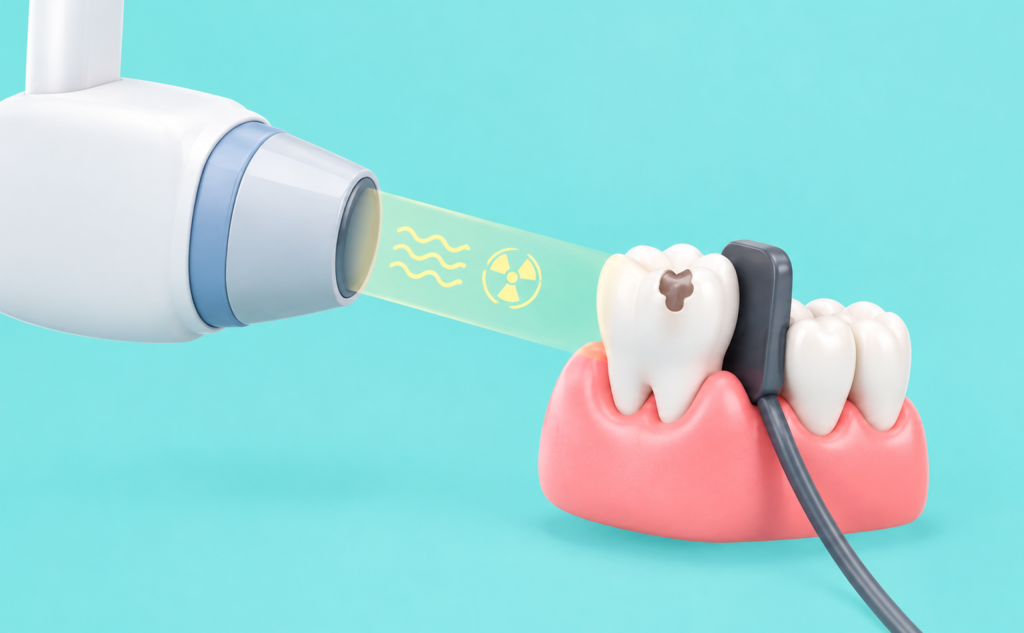
Dental X-rays are generally considered safe when they are clinically justified. Although X-rays use ionising radiation, modern dental imaging equipment and appropriate techniques help keep exposure low.
Your dentist considers your dental history, symptoms, examination findings and individual risk factors before recommending imaging. Routine X-rays should not be taken without a clinical reason.
Digital dental X-rays can offer advantages over older film-based techniques, including efficient image processing and the potential for lower radiation exposure.
Can I Have a Dental X-Ray During Pregnancy?
Always tell your dentist if you are pregnant or think you may be pregnant. Your dentist will consider whether an X-ray is necessary and take appropriate precautions to minimise exposure.
If you have concerns, discuss them with your dentist before the examination.
For more information about maintaining oral health during pregnancy, see our article on why oral health is important during pregnancy.
Why the Benefits of a Dental X-Ray Can Outweigh the Radiation Risk
A dental X-ray does involve radiation, but the amount is extremely small. The value of an X-ray comes from the information it can provide about areas that cannot always be assessed fully during a visual examination.
When an X-ray is recommended for a specific clinical reason, the diagnostic benefit generally far outweighs the very small radiation risk. Your dentist can explain what they are looking for and how the result may affect your care.
How Often Do You Need Dental X-Rays?
There is no fixed schedule that is suitable for every patient. Some people may need X-rays more frequently because of a higher risk of tooth decay or other dental problems, while others may need them less often.
Regular dental visits can also help identify problems early. If you are unsure whether it is time for a check-up, read our guide to 10 signs you should book a dental check-up.
What Should I Ask My Dentist About an X-Ray?
If you are unsure about having an X-ray, it is reasonable to ask questions.
You may want to ask:
- Why do I need this X-ray?
- What are you looking for?
- What type of X-ray is being recommended?
- How will the result help guide my treatment?
Is there anything about my health, pregnancy status or medicines that you need to know? Understanding why an X-ray has been recommended can help you feel more confident about your dental care.
The Bottom Line :
A dental X-ray does involve radiation, but the amount is extremely small. A typical bitewing X-ray may involve approximately 5–10 µSv, while natural background radiation averages around 8–10 µSv per day, although exposure varies by location.
Modern digital X-rays can provide valuable diagnostic information while using very low radiation doses. When an X-ray is clinically justified, the diagnostic benefit generally outweighs the very small radiation risk.
If you have concerns about radiation exposure, digital dental X-rays or whether you need an X-ray, speak with your dentist. Understanding why an image is recommended can help you make informed decisions about your oral health.
How Brighter Smiles Dapto Dental Supports Your Dental Health:
Brighter Smiles Dapto Dental is committed to helping patients make informed decisions about their dental care.
If you have questions about dental X-rays or your oral health, the friendly team at Brighter Smiles Dapto Dental is here to help. We understand that dental procedures can sometimes feel worrying, so we’re happy to answer your questions, explain your options and help you feel more comfortable about your dental care.
Have questions about dental X-rays or your oral health? Get in touch with us today to discuss your concerns about dental X-rays and take the next step towards a healthier, brighter smile.
October 2026
🌐 Visit [https://brightersmilesdaptodental.com.au/]
Book an Appointment to Discuss Your Dental X-Ray Concerns and Keep Your Smile Healthy With Confidence.