
Bisphosphonates, Prolia & Your Dental Health: What You Need to Know
If you take bisphosphonates such as Aclasta or Fosamax, or Prolia (denosumab) for osteoporosis or another bone condition, you may have been told that these medications can affect dental treatment. This can understandably cause concern, particularly if you need a tooth extraction or other oral surgery.
If you are taking these medications, it is important to let your dentist know. The good news is that the risk of serious complications is generally very low for patients taking these medications for osteoporosis. However, understanding the risks and taking the right precautions is important.
What is MRONJ?
Medication-Related Osteonecrosis of the Jaw (MRONJ) is an uncommon condition in which an area of the jawbone fails to heal normally and may become exposed or infected. It can sometimes develop following dental procedures such as a tooth extraction, although it can also occur without a dental procedure.
Bisphosphonates and Prolia are highly effective medications that help reduce bone breakdown and lower the risk of fractures. Because they influence bone turnover, however, they can occasionally affect the jaw’s ability to heal following certain dental procedures.
The risk can vary depending on factors such as the medication being used, dosage, how long you have taken it, why it was prescribed and your general health.
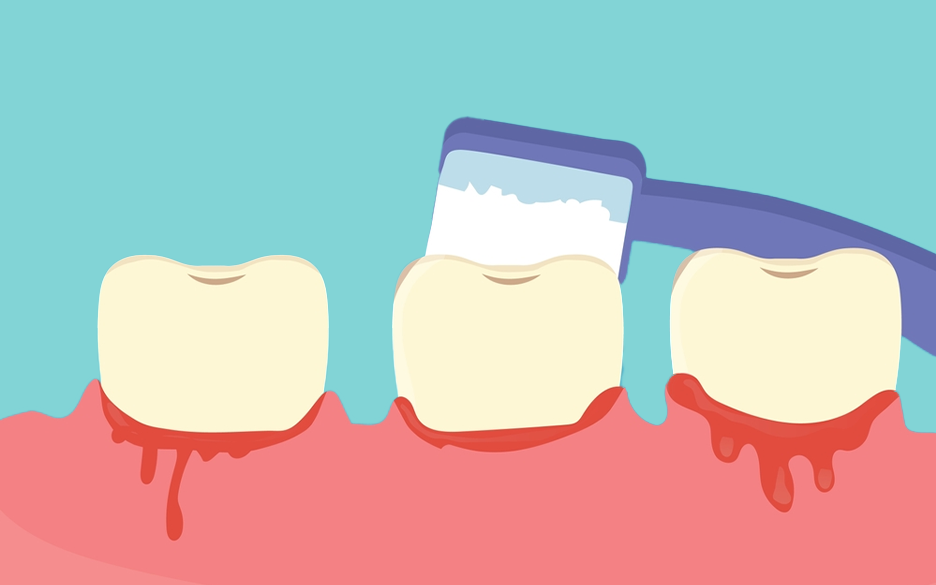
Does this mean I cannot have dental treatment?
Absolutely not.
Most patients taking these medications can continue to have routine dental care, including examinations, professional cleans, fillings, crowns and other necessary treatment.
In fact, regular dental check-ups can help prevent minor problems from developing into more serious dental problems down the track. Maintaining healthy teeth and gums may also reduce the likelihood of needing invasive dental treatment in the future.
The important thing is to tell your dentist about any current or previous use of Prolia or bisphosphonates. Your dentist can take your medication history and overall health into account when planning your treatment.
What Increases the Risk of MRONJ?
The risk of MRONJ can be higher when invasive dental procedures, particularly tooth extractions, are required.
Other factors may also contribute, including:
- Existing dental infection
- Poor oral health
- Smoking
- Certain medical conditions
- Higher-dose antiresorptive treatment used for some cancers
The risk profile can differ between people taking these medications for osteoporosis and those receiving higher-dose treatment for cancer-related conditions.
This is why prevention is particularly important.
Regular dental examinations, professional cleaning, good oral hygiene and early treatment of gum disease can help reduce the likelihood of serious dental problems developing.
What if I need a tooth extraction?
If an extraction is necessary, taking Prolia or a bisphosphonate does not automatically mean that the tooth cannot be removed.
Your dentist will assess your individual circumstances and weigh the benefits of treating the dental problem against the potential risks. Where appropriate, careful surgical techniques and appropriate follow-up can be used to support healing.
In some situations, your dentist may also communicate with your doctor or specialist before treatment.
It is important that you do not stop taking Prolia or a bisphosphonate without medical advice. These medications are prescribed to reduce the risk of fractures and other complications. Any decision about changing, delaying or interrupting treatment should be discussed with your prescribing doctor.
What Symptoms Should I Look Out For?
Although MRONJ is uncommon, contact your dentist if you experience symptoms such as:
- Persistent jaw pain or swelling
- Drainage or signs of infection
- Exposed bone in the mouth
- A tooth extraction site that does not appear to be healing normally
Your dentist can assess these symptoms and determine whether further investigation or treatment is needed.
Prevention is the best protection:
If you take Prolia, bisphosphonates or another medication that affects bone metabolism, maintaining good oral health is particularly important.
Before any dental treatment, make sure your dentist knows about your medication, including medicines you have taken in the past. This information can help your dental team plan appropriate care for your individual circumstances.
At Brighter Smiles Dapto Dental, we can assess your dental health, identify potential problems early and plan your treatment with your medications and overall health in mind.
If you take Prolia, bisphosphonates or another medication affecting bone metabolism, please let us know at your next dental appointment.
With regular dental care and a little extra planning, we can help protect your teeth, gums and jaw for years to come.
September 2026
🌐 Browse [https://brightersmilesdaptodental.com.au/] to schedule your checkup. Keep Your Smile Healthy With the Right Dental Care
Frequently Asked Questions:
Can I have dental treatment while taking Prolia?
Yes. Routine dental care can generally continue while taking Prolia. Tell your dentist about your medication before treatment.
Can I have a tooth extraction while taking Prolia?
Yes, but your dentist will assess your individual MRONJ risk and plan treatment accordingly.
Can bisphosphonates affect tooth extraction?
Bisphosphonates can be associated with a small risk of MRONJ, particularly after invasive dental procedures such as tooth extraction.
Should I stop Prolia before dental treatment?
Do not stop or delay Prolia without medical advice. Your dentist and prescribing doctor can discuss the safest approach for your circumstances.
How can I reduce my risk of MRONJ?
Maintain good oral hygiene, attend regular dental check-ups and treat dental problems early. Always tell your dentist about current or previous antiresorptive medication.