
Toothache at Night: Why It Happens and What It Means
Understanding Night-Time Tooth Pain and When to Seek Dental Care :
There’s nothing quite like a toothache to ruin a good night’s sleep. You may go through your day with only mild discomfort, only to find that the pain becomes much worse once you climb into bed. If you’ve ever wondered why toothaches seem to intensify at night, you’re not imagining it.
Night-time tooth pain is a common complaint and can be a sign that something needs attention. While some causes are relatively minor, others require prompt dental treatment to prevent the problem from worsening.
At Brighter Smiles Dapto Dental, we know how distressing tooth pain can be. Understanding why it happens and knowing when to seek professional care can help you find relief and protect your oral health.
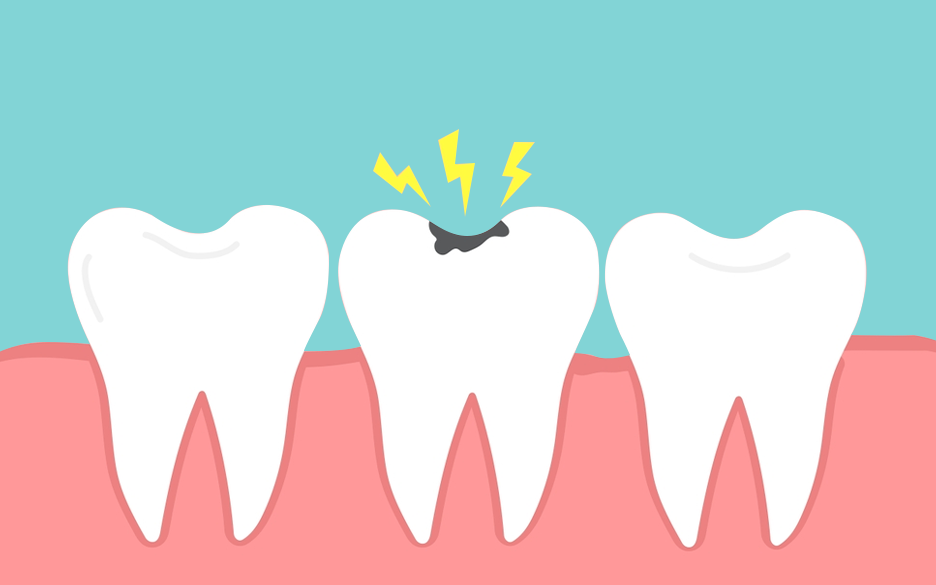
Why Does Toothache Feel Worse at Night?
There are several reasons why dental pain often becomes more noticeable after dark.
-
Increased Blood Flow When You Lie Down:
When you lie flat in bed, blood flow to your head increases slightly. This can place extra pressure on inflamed tissues inside a tooth, making pain feel more intense.
If the nerve inside your tooth is already irritated or infected, this increased pressure can make the discomfort much more noticeable.
-
Fewer Distractions:
During the day, you’re busy with work, family, errands, and other activities. These distractions can make mild pain easier to ignore.
At night, when everything is quiet and you’re trying to relax, your brain has fewer distractions and becomes more aware of discomfort.
-
Teeth Grinding During Sleep :
Many people grind or clench their teeth while sleeping without realising it.
This condition, known as bruxism, can cause:
- Tooth pain.
- Jaw soreness.
- Morning headaches.
- Worn or cracked teeth.
- Increased tooth sensitivity.
Stress and anxiety are common contributors to night-time teeth grinding.
Learn more about the connection between mental health and oral health and how stress can affect your smile.
Common Causes of Toothache at Night:
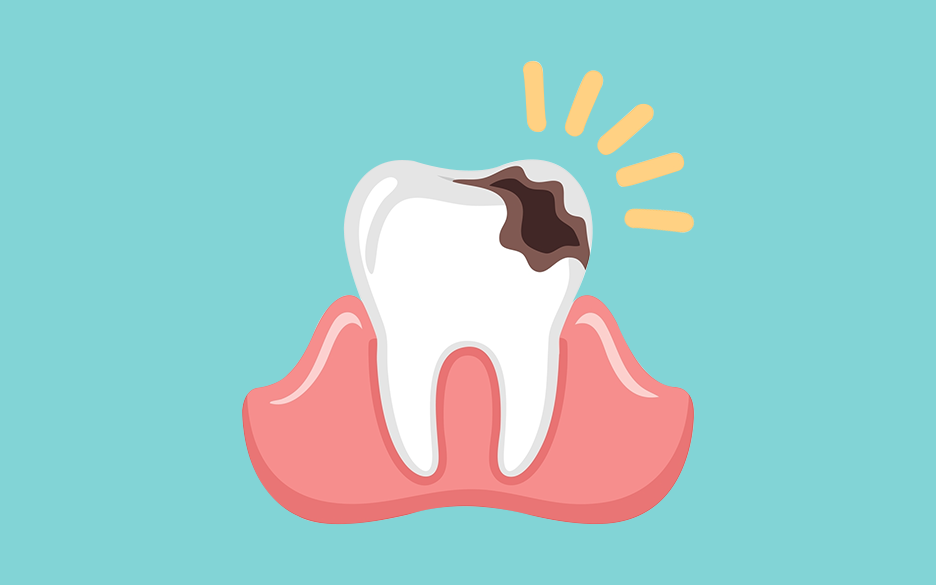
One of the most common reasons for tooth pain is a cavity.
As decay progresses deeper into the tooth, it can irritate the nerve, leading to pain that often becomes worse at night.
You may notice:
- Pain when eating sweets.
- Sensitivity to hot or cold foods.
- Sharp pain when biting.
- Persistent aching.
A Dental Abscess:
A dental abscess is a serious infection that develops around the tooth or gums.
Symptoms may include:
- Severe throbbing pain.
- Swelling around the face or jaw.
- Bad taste in the mouth.
- Fever.
- Difficulty chewing.
An abscess will not heal on its own and requires prompt dental treatment.
Cracked or Fractured Teeth:
Small cracks are sometimes difficult to see but can expose the sensitive inner part of the tooth.
Pain may occur when:
- Biting down.
- Releasing pressure after chewing.
- Drinking hot or cold beverages.
Night-time clenching can make cracks worse over time.
Gum Disease:
Inflamed or infected gums can also contribute to tooth discomfort.
Signs include:
- Bleeding gums.
- Swollen gums.
- Gum recession.
- Loose teeth.
- Bad breath.
Treating gum disease early helps protect both your teeth and supporting bone.
Impacted Wisdom Teeth:
Wisdom teeth can cause pain if they don’t have enough room to emerge properly.
Common symptoms include:
- Pain at the back of the mouth.
- Swollen gums.
- Jaw stiffness.
- Difficulty opening your mouth
These symptoms may become more noticeable when lying down.
Sinus Pressure :
Not all toothaches originate in the teeth.
Sinus infections can create pressure on the upper back teeth because the roots sit close to the sinus cavities.
If you have:
- Nasal congestion.
- Facial pressure.
- Headache.
- Upper tooth pain.
What Can You Do at Home?
While home remedies won’t fix the underlying cause, they may provide temporary relief until you can see your dentist.
You can try:
- Rinsing your mouth with warm salt water.
- Keeping your head elevated while sleeping.
- Applying a cold compress to the outside of your cheek if swelling is present.
- Gently brushing and flossing around the sore tooth to remove trapped food.
- Taking pain relief medications as directed by your pharmacist or healthcare provider.
Avoid placing aspirin directly on your gums, as this can burn the soft tissues and does not relieve tooth pain.
If hot, cold, or sweet foods trigger discomfort, try avoiding them until your appointment.
When Is a Toothache an Emergency?
Some dental problems require urgent attention.
Contact your dentist as soon as possible if you experience:
- Severe or worsening pain.
- Facial swelling.
- Difficulty swallowing.
- Difficulty breathing.
- Fever with tooth pain.
- A knocked-out or broken tooth.
- Pus or discharge around a tooth.
These symptoms may indicate a serious infection that should not be ignored.
Why You Shouldn’t Ignore Night-Time Tooth Pain
Even if the pain settles during the day, it doesn’t necessarily mean the problem has been resolved.
Common causes of tooth pain include:
- Tooth decay.
- Cracked teeth.
- Gum disease.
- Dental infections.
Without professional treatment, these problems typically become more serious over time.
Getting your tooth checked early can make treatment much easier.
It can help you:
- Simpler and less invasive treatment
- Reduced pain and discomfort
- Lower treatment costs
- Better long-term oral health
Ignoring tooth pain may allow the problem to worsen, leading to more complex procedures such as root canal treatment, tooth extraction, or advanced gum therapy.
Ignoring tooth pain can make the problem worse over time. What may start as a small issue could turn into a more serious one, requiring treatments like a root canal, tooth extraction, or gum treatment.
How Brighter Smiles Dapto Dental Can Help:
At Brighter Smiles Dapto Dental, we understand that tooth pain can be stressful and disruptive.Many people worry that dental treatment will be painful, but today’s techniques are designed to be much more comfortable.
Learn more about how modern dentistry is more comfortable than you think.
Our experienced team will carefully assess the cause of your discomfort using a thorough examination and, where necessary, digital X-rays.
Depending on the diagnosis, treatment may include:
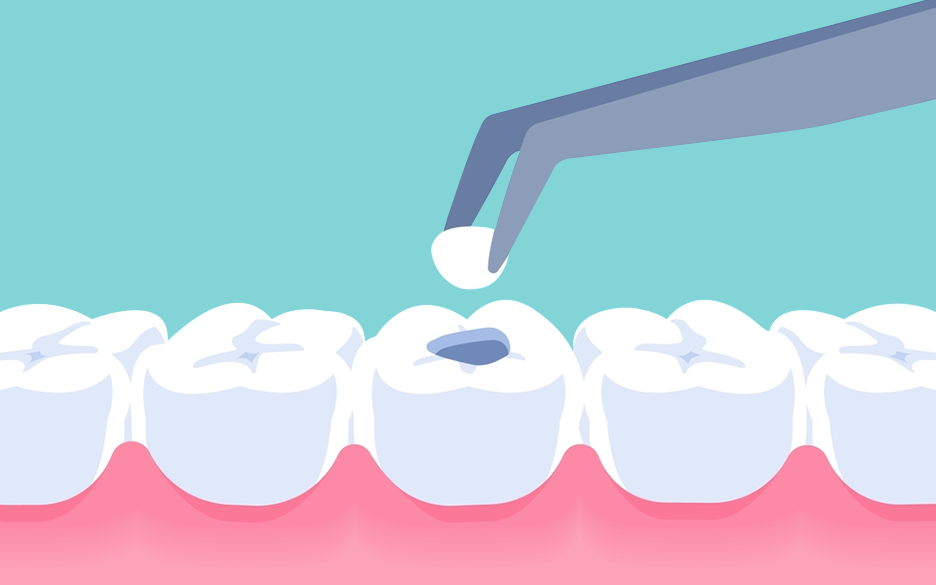
- Dental fillings.
- Root canal treatment.
- Professional cleaning.
- Gum disease treatment.
- Wisdom tooth assessment.
- Dental crowns.
- Tooth extraction if necessary.
Our priority is always to relieve your pain while preserving your natural teeth whenever possible.
Can Toothaches Be Prevented?
Many causes of toothache are preventable with good oral hygiene and regular dental care.
Simple preventive habits include:
- Brushing twice a day with fluoride toothpaste.
- Cleaning between your teeth daily with floss or interdental brushes.
- Limiting sugary snacks and drinks.
- Wearing a custom mouthguard if you grind your teeth.
- Visiting your dentist every six months or as recommended.
- Addressing small dental problems before they become painful.
Preventive care is one of the best ways to avoid unexpected night-time toothaches.
Sleep Better with a Healthy Smile:
A peaceful night’s sleep is important for your overall health—and persistent tooth pain shouldn’t keep you awake.
If you’re delaying treatment because you’re nervous about visiting the dentist, learning how to overcome the fear of the dentist may help you feel more confident about booking an appointment.
At Brighter Smiles Dapto Dental, we’re committed to providing gentle, compassionate care to help relieve your pain and restore your oral health.
If you’re waking up with tooth pain or struggling to sleep because of a sore tooth, don’t wait for it to get worse.
Contact Brighter Smiles Dapto Dental today. Our friendly team is here to find the cause of your pain, provide the right treatment, and help you feel comfortable again.
Call to Action:
Don’t let tooth pain keep you awake another night.
If you’re experiencing persistent or worsening toothache, book an appointment with Brighter Smiles Dapto Dental. Early treatment can relieve your discomfort, protect your teeth, and help you enjoy a healthier smile.
July 2026