
The Complete Guide to Gum Disease: Causes, Symptoms, Treatment, and Prevention
Gum disease is one of the most common oral health problems worldwide. Despite that, many people do not realise they have it until the condition becomes more advanced. In the early stages, the signs can be subtle and easy to miss.
Some people notice their gums bleed slightly when brushing. Others may feel a bit of tenderness along the gumline. Because these symptoms seem minor, they are often ignored or assumed to be temporary.
Over time, however, gum disease can develop into a more serious problem. When it is left untreated, the infection may affect the tissues that support the teeth. In more advanced situations, it can even lead to tooth loss or damage to the bone that holds the teeth in place.
The encouraging part is that gum disease can often be prevented or managed successfully when it is identified early. With proper dental care and good daily habits, many people are able to maintain healthy gums and avoid long-term complications.
At Brighter Smiles Dapto Dental, preventive dental care plays a central role in how we support our patients. Early treatment of gum disease helps protect oral health and allows patients to maintain confident, healthy smiles for many years.
This guide explains what gum disease is, how it develops, the warning signs patients should pay attention to, and the treatments that can help protect long-term oral health.
What Is Gum Disease?
Gum disease, also known as periodontal disease, is an infection that affects the tissues surrounding and supporting the teeth. These tissues include the gums, connective fibres, and the bone that keeps teeth stable in the mouth.
The problem often begins with plaque, which is a sticky layer of bacteria that forms naturally on the teeth. When plaque is not removed through regular brushing and flossing, it gradually builds up along the gumline.
If plaque remains on the teeth for too long, it can harden and turn into tartar (calculus). Once tartar forms, it cannot be removed by brushing alone and requires professional dental cleaning.
As bacteria accumulate in plaque and tartar, the gums can become irritated. This irritation may lead to inflammation and infection, which are the early stages of gum disease.
The Two Main Stages of Gum Disease :
Gum disease generally develops in two stages. Each stage affects the gums differently and requires different levels of care.
Gingivitis :
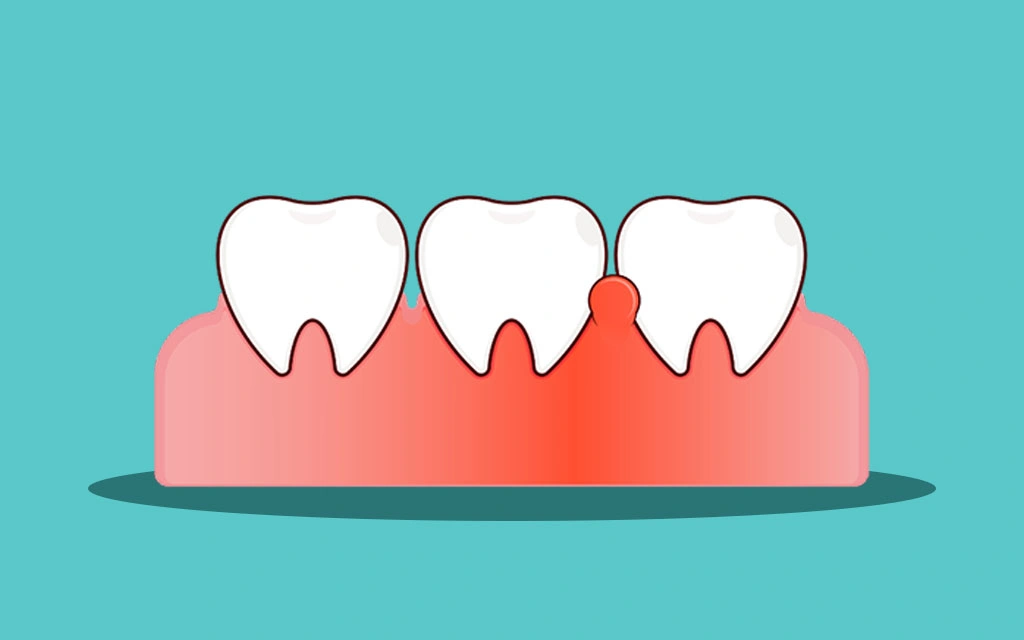
Gingivitis is the earliest stage of gum disease. At this point, the condition is usually mild and often reversible when treated promptly.
Common symptoms include:
- Red or swollen gums
- Bleeding when brushing or flossing
- Tender gum tissue
- Mild bad breath
During gingivitis, the infection affects only the gum tissue. The bone supporting the teeth has not yet been damaged. With improved oral hygiene and professional dental cleaning, the gums can often return to a healthy state.
Periodontitis:
When gingivitis is not treated, it can progress to periodontitis, which is a more advanced form of gum disease.
In this stage, bacteria move below the gumline and begin affecting the bone and connective tissues that support the teeth. As the infection continues, these structures can gradually weaken.
Symptoms may include:
- Persistent bad breath.
- Gum recession (gums pulling away from teeth).
- Loose teeth.
- Pain when chewing.
- Changes in how teeth fit together.
Because bone damage can occur during periodontitis, professional dental treatment becomes important to stop the disease from progressing further.
What Causes Gum Disease?
The primary cause of gum disease is the buildup of plaque and bacteria around the teeth and gums. However, several factors can increase a person’s risk of developing the condition.
These include:
- Poor oral hygiene.
- Smoking or tobacco use.
- Diabetes.
- Hormonal changes.
- Certain medications.
- Genetic predisposition.
- Stress.
- Poor nutrition.
Regular dental visits are helpful because dentists can identify these risk factors early and recommend preventive care before the condition worsens.
Early Warning Signs of Gum Disease :
One challenge with gum disease is that symptoms may appear mild at first. Many people assume bleeding gums are normal, but this is often one of the earliest warning signs of gum inflammation.
Signs that may indicate gum disease include:.
- Bleeding gums when brushing or flossing
- Red or swollen gums
- Persistent bad breath
- Gum tenderness
- Receding gums
- Loose teeth
]If you notice any of these symptoms, it is a good idea to seek professional dental advice.
Why Gum Health Matters for Overall Health :
Gum disease does not only affect the mouth. Increasing research suggests that oral health may also influence overall health.
Inflammation caused by gum disease has been linked to several systemic health conditions, including:
- Heart disease
- Diabetes complications
- Respiratory issues
- Pregnancy complications
Although research is still ongoing, maintaining healthy gums is widely considered an important part of overall wellbeing.
How Dentists Diagnose Gum Disease :
During routine dental check-ups, dentists examine the gums carefully for signs of inflammation or infection.
Diagnosis may involve:
- Checking for gum redness or swelling.
- Measuring the depth of gum pockets around teeth
- Evaluating gum recession.
- Reviewing dental X-rays to assess bone levels.
These assessments help determine whether gum disease is present and how advanced it may be.
Treatment Options for Gum Disease :
Treatment depends on the stage and severity of gum disease.
Professional Dental Cleaning :
For early-stage gingivitis, professional dental cleaning is usually the first step.
During this procedure, dental professionals remove plaque and tartar from the teeth and along the gumline. Removing these deposits helps reduce bacteria and allows the gums to heal.
Patients are also guided on improving their oral hygiene routine at home.
Scaling and Root Planing:
For more advanced gum disease, dentists may recommend deep cleaning procedures known as scaling and root planing.
This treatment involves:
- Removing plaque and tartar from below the gumline.
- Smoothing the tooth roots to discourage bacterial buildup.
Scaling and root planing can help the gums reattach to the teeth and reduce inflammation.
Ongoing Periodontal Maintenance :
When gum disease has progressed further, ongoing periodontal maintenance visits may be necessary.
These visits help monitor gum health, remove bacterial buildup, and reduce the risk of the disease worsening.
Preventing Gum Disease :
The good news is that gum disease is often preventable with consistent oral hygiene and regular dental care.
Brush Twice Daily :
Brushing twice a day helps remove plaque before it hardens into tartar. A soft-bristled toothbrush and fluoride toothpaste are recommended, and brushing gently along the gumline is important.
Floss Regularly :
Flossing removes plaque and food particles from between teeth where toothbrushes cannot reach. Daily flossing helps reduce bacteria that contribute to gum inflammation.
Attend Regular Dental Check-Ups
Routine dental check-ups allow dentists to detect early signs of gum disease before it becomes serious. Professional cleanings also remove tartar buildup that cannot be removed at home.
Maintain a Healthy Lifestyle :
Lifestyle choices can also influence gum health.
Steps that support healthy gums include:
- Eating a balanced diet.
- Drinking plenty of water.
- Avoiding smoking.
- Managing medical conditions such as diabetes.
Healthy habits contribute to stronger gums and better oral health.
Why Early Treatment Is Important:
Gum disease becomes more difficult to treat as it progresses.
Early treatment can:
- Stop the disease from advancing.
- Protect the bone supporting your teeth.
- Prevent tooth loss.
- Reduce the need for complex treatments.
This is why routine dental visits are so important.
Protect Your Smile with Professional Dental Care :
Healthy gums form the foundation of a healthy smile. By understanding the causes and warning signs of gum disease, patients can take steps to protect their oral health before problems become severe.
At Brighter Smiles Dapto Dental, our team is committed to helping patients prevent, detect, and treat gum disease through personalised dental care and professional guidance.
Concerned About Your Gum Health?
If you have noticed bleeding gums, persistent bad breath, or changes in your gumline, it may be time to schedule a dental check-up.
The friendly team at Brighter Smiles Dapto Dental is here to support patients across Dapto and surrounding communities in maintaining healthy gums and confident smiles.
Contact us today to book an appointment and take the first step toward protecting your gum health.
FAQ ( Frequently Answered Questions) :
What is gum disease?
Gum disease is an infection of the gums and supporting structures of the teeth caused by plaque and bacteria buildup along the gumline.
What are the early signs of gum disease?
Early signs may include bleeding gums, swollen or red gums, bad breath, and gum tenderness when brushing or flossing.
Can gum disease be reversed?
Early gum disease (gingivitis) can often be reversed with improved oral hygiene and professional dental cleaning.
What happens if gum disease is not treated?
Untreated gum disease can progress to periodontitis, which may lead to gum recession, bone loss, and eventually tooth loss.
How can I prevent gum disease?
Good oral hygiene habits such as brushing twice daily, flossing regularly, and attending routine dental check-ups help prevent gum disease.
March 2026