
Implant-Retained Dentures: A More Secure Solution for Missing Teeth
Living with missing teeth can affect much more than your appearance. Dentures can restore your smile and make eating easier, but some people find traditional dentures uncomfortable because they can move, slip, or feel unstable while speaking or chewing.
If you are looking for a more secure alternative, implant-retained dentures may be an option worth discussing with your dentist.
At Brighter Smiles Dapto Dental, we understand that replacing missing teeth is a personal decision. Our goal is to explain your options clearly so you can make an informed choice about your oral health, comfort, and long-term smile.
What Are Implant-Retained Dentures?
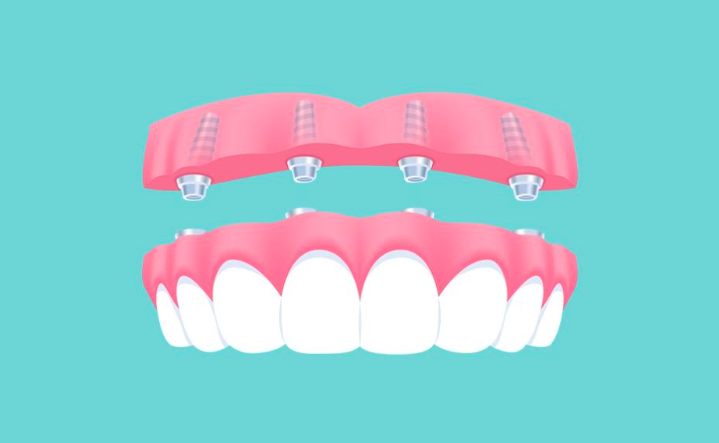
Implant-retained dentures are removable dentures that are securely held in place with the help of dental implants.
Unlike traditional dentures, which rest mainly on the gums, implant-retained dentures attach to small implant posts that are placed into the jawbone.
Depending on your individual situation, several implants may be used to provide support for a denture.
The denture can still be taken out for cleaning, while the implants help keep it securely in place when you eat, speak, or go about your day.
How Are They Different from Traditional Dentures?
Traditional dentures usually stay in place with suction, the shape of your mouth, and denture adhesive.
Even with a good fit, some people may still have problems such as:
- Dentures moving while eating
- Trouble chewing certain foods
- Denture slipping when speaking
- Sore or uncomfortable gums
- Having to use denture adhesive
Implant-retained dentures get extra support from dental implants. They help keep the dentures more firmly in place, making eating, speaking, and everyday activities easier and more comfortable.
How Do Dental Implants Support the Denture?
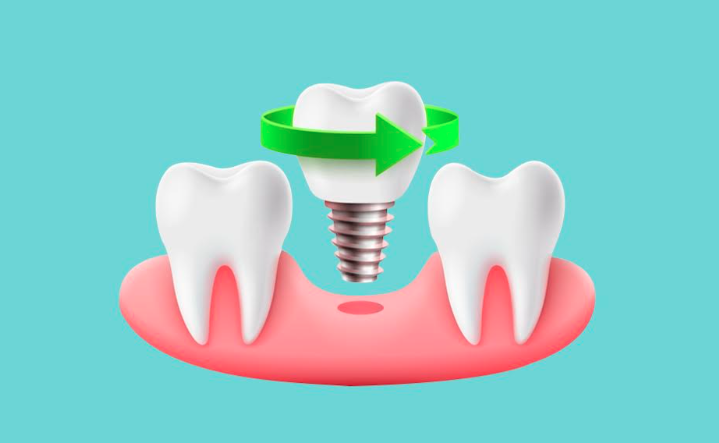
A dental implant is a small post, usually made from titanium or another body-friendly material, that is placed into the jawbone.
As the jawbone heals, it can naturally grow around the implant and help hold it firmly in place. A small attachment is then used to connect the denture to the implants.
The type of implant denture you need will depend on a few things, such as:
- The number and position of implants
- The condition of your jawbone
- The type and condition of your current denture
- Your bite and how your teeth come together
- Your overall oral health
Your dentist will assess your needs and explain which option is best for you.
Benefits of Implant-Retained Dentures:
1.Improved Stability:
One of the main benefits of implant-retained dentures is that they feel more stable.
Traditional dentures can sometimes move or slip when you eat or speak. Implant-retained dentures are attached to dental implants, which helps keep them securely in place and reduces unwanted movement.
This added stability can make eating, speaking, and everyday activities feel easier and more comfortable.
2.Greater Confidence:
If you are constantly worried that your dentures might slip while talking, laughing, or eating in public, you may avoid social situations or certain foods.
A more secure denture can help you feel more confident when:
- Speaking.
- Smiling.
- Eating.
- Laughing.
- Socialising.
3.Improved Chewing Ability:
When dentures move, eating certain foods can become difficult.
Implant support can provide greater stability during chewing, potentially making it easier to enjoy a wider range of foods.
However, individual results vary, and your dentist can discuss what you may realistically expect.
4.Reduced Reliance on Denture Adhesives:
Some people use denture adhesive to help keep traditional dentures in place.
Implant-retained dentures may reduce or eliminate the need for adhesive, depending on the design and individual circumstances.
5.Improved Comfort:
Movement between a denture and the gums can sometimes cause irritation or sore areas.
By providing additional support, implants can help reduce unwanted movement and improve comfort for many patients.
Who May Be Suitable for Implant-Retained Dentures?
Implant-retained dentures may be suitable for people who have:
- Multiple missing teeth.
- Complete tooth loss in an arch.
- Loose or uncomfortable traditional dentures.
- Difficulty eating with conventional dentures.
- Sufficient bone to support implants.
However, not everyone is automatically a candidate.
Your dentist will check your oral and overall health to make sure the treatment is suitable for you.
Factors that may be considered include:
- Jawbone volume and quality
- Gum health
- Existing dental conditions
- Oral hygiene
- Smoking status
- Medical history and medications
- Your expectations and treatment goals
In some cases, you may need additional dental treatment before the implants can be placed.
What If There Isn’t Enough Bone?
After a tooth is removed, the jawbone can slowly shrink because it no longer has the natural tooth root to support it.
If you have worn dentures for many years, you may have less bone available for implants. However, this does not always mean that implants are not an option.
Depending on your situation, your dentist may recommend treatments such as bone grafting or other implant options.
Your dentist will assess your mouth and may use dental scans or X-rays to determine which treatment is suitable for you.
What Is the Treatment Process?
Every patient is different, but implant-retained denture treatment generally involves several stages.
1.Consultation and Assessment:
Your dentist will examine your mouth, discuss your concerns, and review your dental and medical history.
You may also need X-rays or dental scans to check your jawbone and find the best places for the implants
2.Treatment Planning:
Your dentist will create a personalised treatment plan based on your needs and goals.
They will also explain the expected benefits, possible risks, costs, other treatment options, and how long the process may take.
3.Implant Placement:
The implants are placed into suitable areas of your jawbone.
Healing time is then required so the implants can integrate with the surrounding bone.
4.Denture Attachment:
Once the implants have healed properly, small attachments are added to the denture. These attachments allow the denture to connect securely to the implants.
5.Follow-Up and Maintenance:
Regular dental visits are important to make sure your gums, implants, denture, and surrounding tissues remain healthy.
Your dentist can also check the fit of your denture and make any adjustments needed over time.
Are Implant-Retained Dentures Permanent?
Dental implants are designed to provide long-term support, but the denture itself may need repairs, adjustments, relining, or replacement over time.
The longevity of your denture and implants depends on factors such as:
- Oral hygiene.
- Regular dental care.
- Lifestyle habits.
- Bite forces.
- General health.
- How well the denture is maintained.
Taking good dental care of your implants and dentures and keeping up with regular dental visits can help them last longer.
Caring for Implant-Retained Dentures:
Good oral hygiene is still very important when you have implant-retained dentures.
Your dentist will show you how to clean:
- The denture
- Around the implants
- The gums
- Implant attachments
You should remove and clean your denture regularly as advised by your dentist. Keeping everything clean can help maintain healthy gums and support the long-term health of your implants.
Implant-Retained Dentures vs Dental Implants:
It’s important to understand that implant-retained dentures are different from replacing every missing tooth with an individual dental implant and crown.
Implant-retained dentures:
A removable denture is attached to dental implants, which helps keep it stable and secure.
Individual implant crowns:
Each missing tooth can be replaced with its own dental implant and crown..
There are also other options, such as fixed full-arch implant restorations, which are not removable by the patient.
The most appropriate option for you will depend on your oral health, jawbone condition, budget, personal preferences, and long-term dental needs.
Are Implant-Retained Dentures Worth Considering?
For some people, implant-retained dentures can offer better stability and more confidence than traditional dentures.
They may be worth considering if your dentures:
- Move when you eat.
- Affect your speech.
- Uncomfortable feeling .
- Require frequent adhesive
- Make you avoid certain foods.
However, getting dental implants is a surgical procedure. It involves costs, healing time, regular maintenance, and some potential risks. A thorough consultation with your dentist can help you understand whether this treatment is right for you.
How Brighter Smiles Dapto Dental Can Help:
At Brighter Smiles Dapto Dental, we understand that replacing missing teeth is about more than simply filling a gap. It’s about helping you eat comfortably, speak confidently, and feel good about your smile.
Our team can assess your individual situation and discuss the options available to you, including whether implant-retained dentures may be appropriate.
We will take the time to explain your treatment options and answer your questions so you can make an informed decision.
Take the Next Step Towards a More Secure Smile:
If your dentures feel loose, uncomfortable, or make eating and speaking difficult, you don’t have to keep putting up with them.
Implant-retained dentures can provide extra support and help make your dentures feel more stable and comfortable.
Book a consultation with Brighter Smiles Dapto Dental to discuss your concerns and explore your options for restoring your smile and confidence.
A secure smile can make everyday life easier and our team is here to help you find an option that suits your needs.
August 2026